How to Increase Projector Performance with the Right Projector Lamp
A projector is an important part of modern classrooms, offices, conference rooms, training centers, and entertainment spaces. However, even a high-quality projector can gradually lose brightness and picture quality. One of the most common reasons is an aging or unsuitable projector lamp.
Choosing the right projector lamp can significantly improve brightness, color quality, viewing clarity, and overall projector performance. A compatible and high-quality lamp also helps maintain consistent performance and can reduce the risk of unexpected projector problems.
Why the Projector Lamp Matters
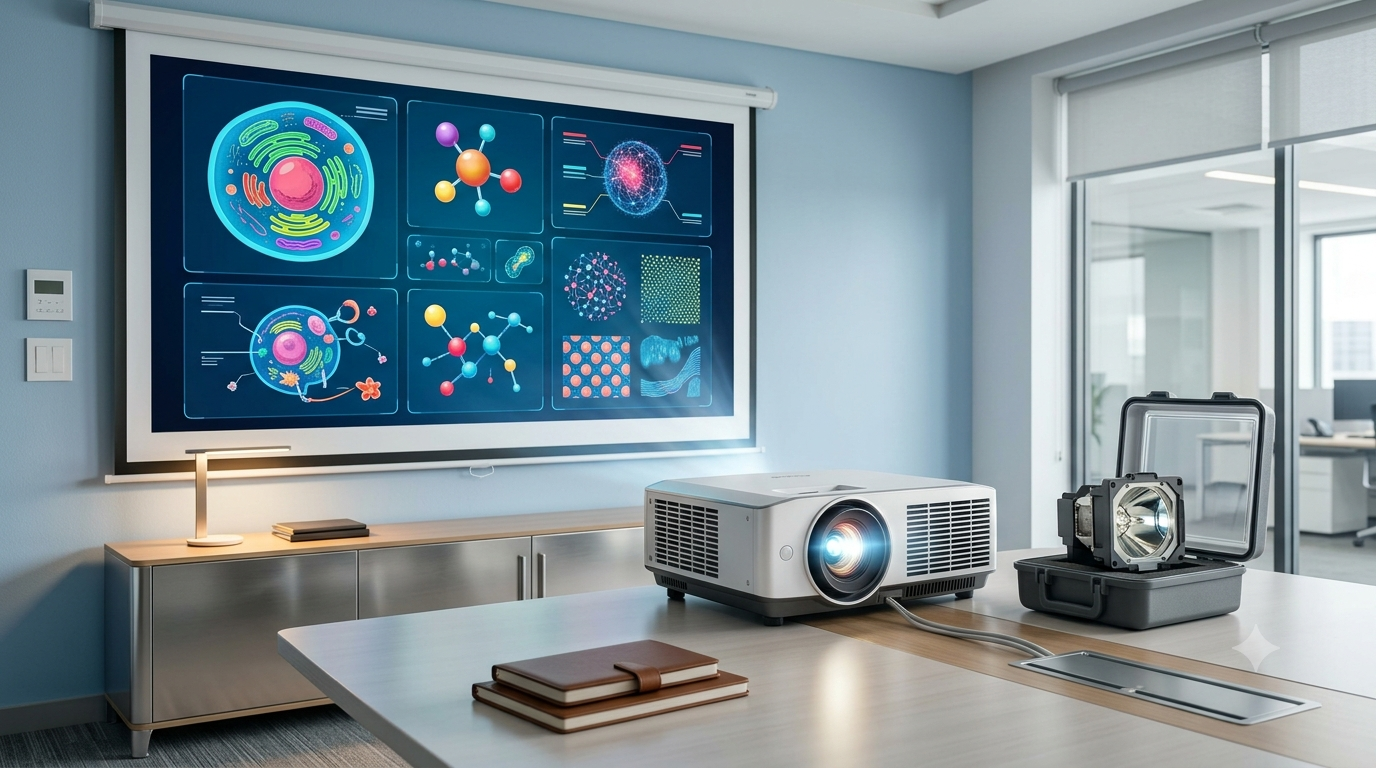
The projector lamp is responsible for producing the light required to display images on the screen. As a lamp gets older, its brightness gradually decreases. You may notice that images look dull, colors become less vibrant, or presentations are difficult to see in rooms with ambient lighting.
Using the correct replacement lamp can restore much of the projector’s original brightness and improve the overall viewing experience.
Signs That Your Projector Lamp Needs Replacement
Knowing when to replace a projector lamp can help prevent interruptions during presentations or important meetings.
Common signs include:
- Reduced screen brightness
- Dull or faded colors
- Flickering images
- Difficulty viewing content in bright rooms
- Frequent lamp warnings
- Projector shutting down unexpectedly
- Lamp reaching its recommended operating hours
If you notice these symptoms, checking the lamp condition should be one of the first troubleshooting steps.
Choose a Lamp Compatible with Your Projector
Not every projector lamp is suitable for every projector. Before purchasing a replacement, check your projector’s model number and the lamp’s part number.
A compatible projector lamp should match the projector’s specifications, including:
- Projector model
- Lamp part number
- Wattage
- Lamp housing requirements
- Manufacturer specifications
Using an incompatible lamp can result in poor performance and may potentially damage the projector.
Original vs. Compatible Projector Lamps
When replacing a projector lamp, buyers commonly choose between original manufacturer lamps and compatible alternatives.
Original lamps are designed according to the projector manufacturer’s specifications and generally provide reliable performance.
Compatible lamps can offer a more economical replacement option, but their quality can vary between suppliers. It is important to purchase from a reliable projector lamp supplier to ensure proper compatibility and quality.
The right choice depends on your projector, usage requirements, and budget.
How a New Projector Lamp Improves Performance
Installing the correct replacement lamp can provide several benefits.
1. Better Brightness
A new lamp can restore the projector’s brightness, making presentations, videos, charts, and images easier to see.
2. Improved Image Quality
Adequate lamp brightness contributes to better image clarity and more vibrant colors.
3. More Consistent Performance
An aging lamp may produce inconsistent brightness or flickering. A suitable replacement can help provide more stable projection.
4. Better Viewing Experience
A brighter and clearer image makes presentations and multimedia content more comfortable for viewers.
5. Reduced Unexpected Downtime
Replacing an old lamp before it completely fails can help reduce interruptions during meetings, classes, or events.
Tips to Extend Projector Lamp Life
Choosing the right lamp is important, but proper projector usage can also help increase lamp life.
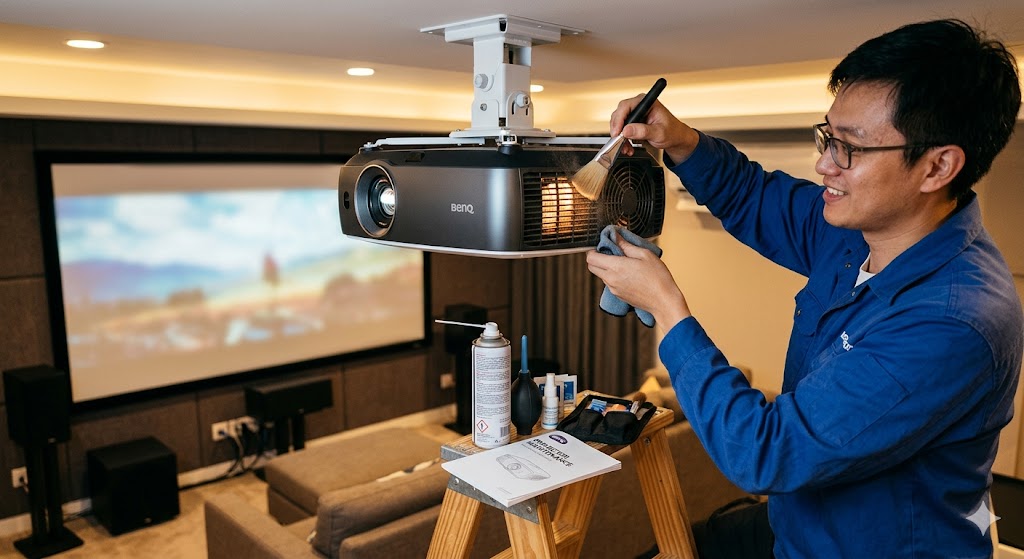
Keep the Air Filters Clean
Dust can restrict airflow and cause the projector to operate at higher temperatures. Regularly cleaning the air filters can help maintain proper ventilation.
Allow the Projector to Cool Down
Avoid disconnecting the projector from power immediately after use. Allow it to complete its normal cooling cycle.
Avoid Frequent Power Cycling
Repeatedly switching the projector on and off within short periods can place unnecessary stress on the lamp.
Maintain Proper Ventilation
Make sure the projector’s ventilation openings are not blocked by walls, furniture, or other objects.
Use the Appropriate Brightness Mode
If your projector has an Eco or low-power mode, using it when maximum brightness is not required can help reduce lamp usage.
Buy Projector Lamps from a Reliable Supplier
The quality of the replacement lamp plays an important role in projector performance. A reliable projector lamp supplier can help you identify the correct lamp according to your projector model and requirements.
Before purchasing, check the product compatibility, warranty, specifications, and supplier reputation.
Conclusion
The right projector lamp can make a noticeable difference in projector performance. If your projector has become dim, colors appear faded, or the lamp has reached its recommended operating hours, replacing it with a compatible, high-quality lamp can help restore brightness and image quality.